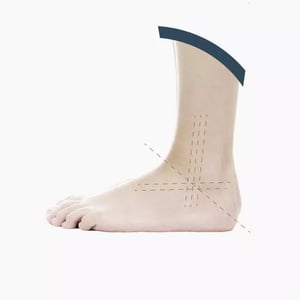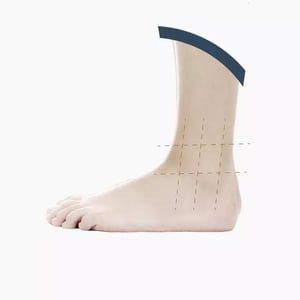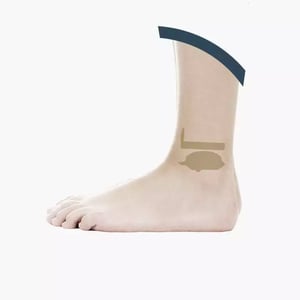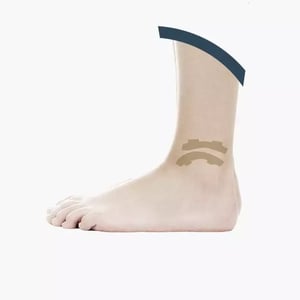
Who is a candidate for ankle replacement?
Not every patient with ankle arthritis is a candidate for joint replacement. Prosthetic replacement is indicated for selected patients, and the surgical evaluation focuses on how much the condition limits their daily life, since the decision to operate is based on disability — not on imaging findings. Surgery is appropriate when the disability is significant, pain has not responded to conservative treatments, and the patient has already modified their lifestyle to cope. In other words, it is planned when the timing is right for the patient — never to get ahead of an aging process that has not yet caused disability — as it is a safe procedure at any age.
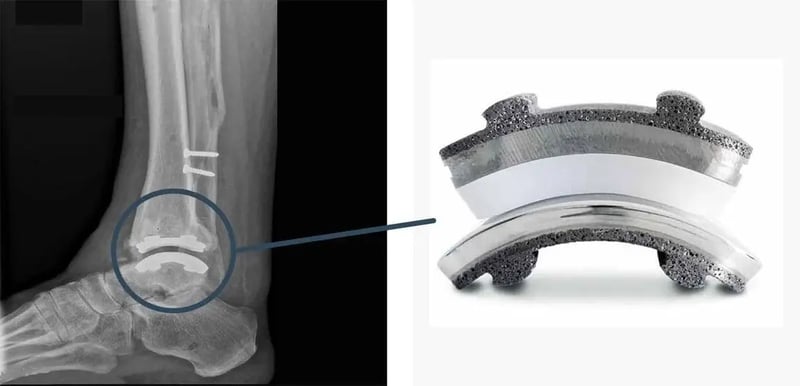
On the other hand, delaying the surgical decision for too long is equally inadvisable. When disability is already significant, it leads to overloading and consequent rotational imbalances in the surrounding joints — primarily the foot and knee, but also the hip and spine — which can generate pain and lower back problems. Furthermore, longevity science highlights the crucial role of muscle function and walking ability in long-term wellbeing. In short, surgery should be performed neither too early nor too late.
Indications for prosthetic replacement and arthrodesis
For many years, ankle arthrodesis was considered the primary treatment. Today, in specialized centers, joint replacement has become the preferred choice for the majority of patients, though arthrodesis remains a valid option in specific cases.
- Among these are neurological deficits, such as sciatic-popliteal nerve injury in patients with drop foot. When motor control is intact, preserving movement is a worthwhile goal. When, however, movement control is absent, a prosthesis is not always the right choice. In some cases, motor control can be restored through tendon transfer procedures — these patients are candidates for joint replacement. In others, arthrodesis should be considered.
- In cases of insufficient bone stock as well, such as severe necrosis or certain prosthetic revisions, implanting a prosthesis may no longer be feasible. In these situations, procedures exist that allow a custom talus to be designed and 3D-printed in order to preserve movement. These are, of course, more complex procedures and not always applicable. When such patient-specific implants are not an option, planning an arthrodesis is a rational approach to preserving the integrity of the lower limb and maintaining healthy gait.
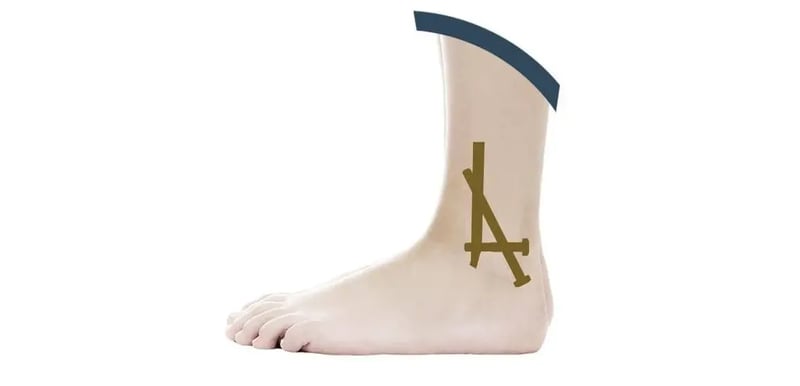
However, arthrodesis should not be regarded as a simpler procedure that can be performed at any facility close to home, lacking specialized expertise. Every patient deserves the best possible care, and being treated at a referral center offers two crucial advantages:
- Safety. High surgical volume and a team that has surpassed the learning curve translate into more reliable outcomes and a lower rate of complications.
- Treatment options. Only a specialized center can offer the full range of solutions — including custom prosthetic replacement and complex arthrodesis — ensuring that each patient receives the most appropriate procedure for their specific case, rather than whichever one a single surgeon happens to be able to perform.
This is particularly important because ankle arthritis often affects younger patients, who have greater functional demands than those suffering from hip or knee arthritis.
For a dedicated informational overview addressing the most common patient questions, read: Ankle replacement: information for the patient.
How ankle replacement surgery is performed
Being well informed before surgery is a condition that improves outcomes. Patients who are well prepared approach the process with realistic expectations, adhere more effectively to rehabilitation, and report greater satisfaction over time. For this reason, preoperative preparation is an integral part of our care pathway.
The preoperative pathway
Before surgery, each patient is assessed with a physical examination, weight-bearing X-rays, and a weight-bearing CT scan where indicated.
In patients with systemic conditions — such as rheumatoid arthritis, hemophilia, or diabetes — coordination with the relevant specialists is required to optimize their overall health status prior to surgery.
In patients who still have hardware in place, it is preferable to remove it in a separate procedure in order to reduce the risk of infection.
The day of surgery
The patient is admitted to hospital on the day of surgery, having fasted beforehand. The ward nurse notifies them 45 minutes before they are due to go up to the operating theater to prepare.
Upon arrival at the surgical floor, the patient is taken to the pre-operative area, where sedation and peripheral anesthesia — typically spinal — are administered. The patient enters the operating theater already anesthetized: this is the optimal approach to perioperative management.
The procedure lasts approximately 70 minutes and is performed by me, supported by my team. All members of the surgical team wear helmets to enhance sterility.
The procedure is performed without an inflated tourniquet. The cuff is placed at the top of the thigh as a precautionary measure only, but is never inflated. This approach ensures that blood supply is never interrupted and minimizes the risk of both infection and postoperative pain.
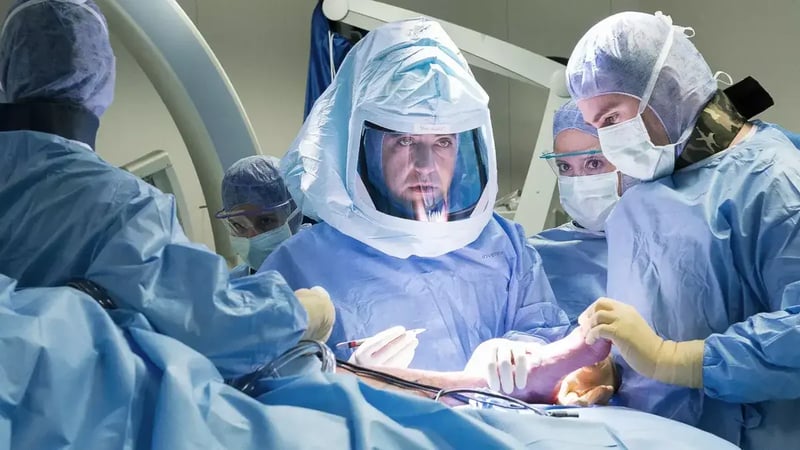
The patient leaves the operating theater wearing a lightweight fiberglass boot. Before being taken back to the ward, the peripheral nerve block procedure is administered again in the pre-operative area.
Immediate postoperative period and early rehabilitation
The leg will remain numb for the first 24 hours. It is not uncommon for the dressing to become stained or soiled with blood, as we do not use a drain — the use of which would increase the risk of infection.
The hospital stay is normally two nights.
The day after surgery, a physiotherapist gets the patient up and teaches them to walk.
- 90% of patients walk with full weight-bearing. Crutches are used to prevent slipping, not to offload weight.
- 10% of patients walk with toe-touch weight-bearing for 15 days, progressing to full weight-bearing in the final week of casting.
A selected group of patients — chosen based on age, deformity, and overall physical and muscular health — do not use a cast postoperatively and follow a fast-track protocol with immediate weight-bearing and no boot.
Recovery Times: Walking, Work, Driving, and Sports
Recovery after ankle replacement surgery follows an accelerated Fast Track protocol designed to minimize downtime and maximize functional restoration, with scheduled follow-up appointments to monitor clinical progress.
- The first post-operative check-up is at 3 weeks. At this visit, the fiberglass boot and sutures are removed. This is also when a definitive transition to full weight-bearing without assistive devices is assessed, for patients who had not already achieved this beforehand.
- The second check-up is scheduled directly with me and is aimed at evaluating wound healing and weight-bearing progress. At this stage, the recovery plan is personalized, including the sharing of videos and exercises to practice together.
When it comes to healing timelines, it is essential to distinguish between different tissue types.
- Bone typically heals within 30 to 60 days.
- Structures responsible for swelling, residual pain, and sensory changes — such as blood vessels and nerves — reach full stabilization over a period of 4 to 6 months.
In most cases, patients can return to driving 45 to 50 days after surgery. Return to sedentary work is expected at 2 to 3 months, while return to physically demanding work takes 4 to 7 months.
Low-impact sports are permitted from 5 months post-surgery. Skiing, on the other hand, is not recommended before 8 months and is advised only for patients who were skiing regularly prior to developing ankle arthritis.
I always remind my patients that, just as a long and healthy life requires consistent commitment — through diet, exercise, and emotional balance — the same applies to the longevity of the implant. A fit, athletic patient whose arthritis has kept them away from physical activity can absolutely return to it. A joint replacement, however, is not a magic solution that turns a sedentary, overweight patient into an athlete.
Risks, Complications and How We Prevent Them
Ankle replacement is a safe procedure in high-volume centers, but like any surgery, it carries certain risks. The main complications include:
- superficial or deep infection (1%)
- delayed wound healing (3%), which resolves with advanced wound care
- aseptic loosening of the components (<1%)
- correction instability and loss of correction (1%)
- residual pain (4–5%)
At our center, complication prevention begins with careful patient selection, continues through preoperative preparation, and extends to a comprehensive perioperative protocol that encompasses anesthetic management, surgical technique, and structured follow-up.
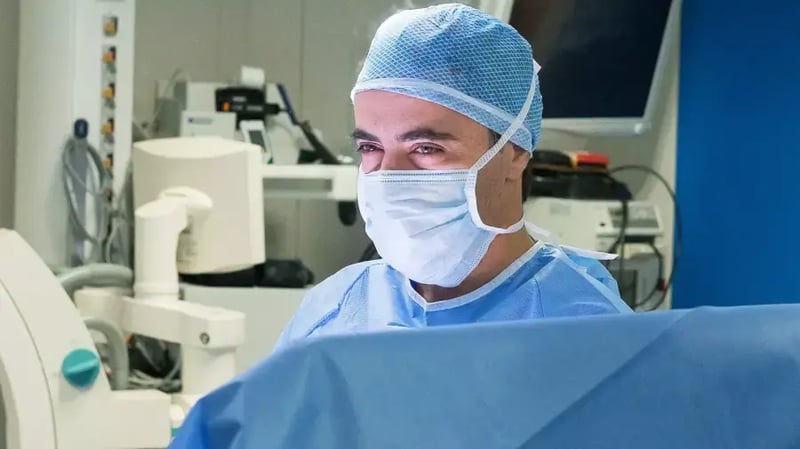
Regarding infections in particular, our hospital has made significant strides in recent years, developing an active and personalized prevention protocol based on the following measures:
- High-risk patients are identified — specifically those who have undergone more than 3 ankle surgeries in the past 5 years and who have retained hardware in place. For these patients, hardware removal is planned first, with the ankle replacement performed as a second-stage procedure 2 to 3 months later, thereby reducing the infection risk.
- Critical parameters such as blood glucose and glycated hemoglobin (HbA1c) are normalized prior to surgery.
- Biological agents and immunosuppressants are discontinued one week before and for three weeks following the procedure.
- Interventions are made to improve biological markers of wellbeing — for example, through Vitamin D supplementation.
- In high-risk patients, Stimulan is used. This is a biotechnology product that can be loaded with the antibiotic of choice (or a combination of antibiotics) and delivers the therapy locally and continuously for up to 3 months.
Additionally, early detection of infections is ensured through PCR-based systems that complement and enhance traditional microbiology, enabling faster and more targeted identification of the causative pathogen.
The Prosthetic Solutions We Offer
There is no one-size-fits-all ankle prosthesis. The choice of prosthetic system depends on the patient's anatomy, bone quality, residual deformity, clinical history, and functional expectations.
My team has developed a dedicated pathway for ankle arthritis, which has allowed us to achieve a high degree of specialization — not only among surgeons, but also in anesthetic management, pain control, risk prevention, and personalized surgical planning. This approach also makes it possible to treat even the most complex cases with tailored therapeutic solutions.
Latest-Generation Fixed Bearing and Mobile Bearing Prostheses
The latest-generation prostheses — third and fourth generation — are primarily divided into two categories based on the polyethylene bearing mechanism: Fixed Bearing and Mobile Bearing.
Both options feature advanced biomechanical designs, low-wear materials, and a polyethylene insert — either mobile or fixed — adapted to the individual patient's characteristics.
The Fixed Bearing system consists essentially of two components: a tibial and a talar metal component, with the polyethylene insert locked to the tibial component.
- Advantage: It is a more constrained system that compensates for the function of certain ligaments and ensures movement more closely aligned with that of a healthy ankle.
- Limitation: In the absence of perfect alignment correction — or when achieving perfect correction is not technically feasible — the implant may fail more rapidly due to less efficient load distribution.
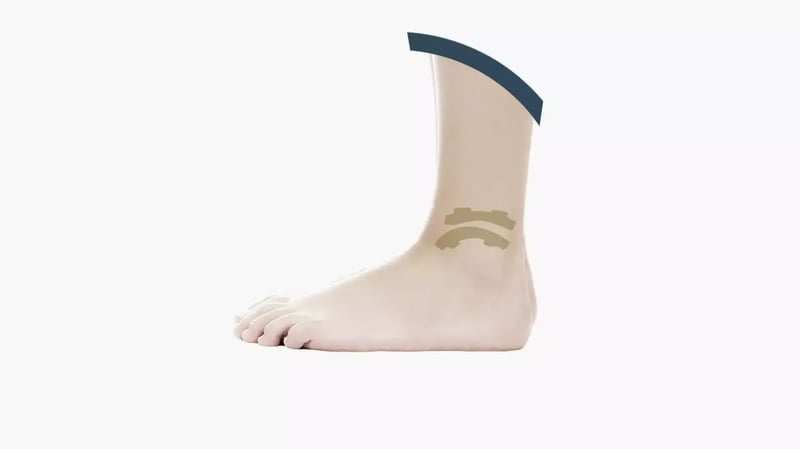
The Mobile Bearing implant, by contrast, is made up of three components: the tibial component, the talar component, and a mobile polyethylene insert that is free to move.
- Advantage: It distributes loads more effectively and reduces periprosthetic stress on the bone.
- Limitation: It requires rigorous and meticulous balancing of the musculoligamentous apparatus. In addition, the mobile insert is subject to greater wear which, over time, can lead to the formation of periprotesic cysts at the tibial and talar level.
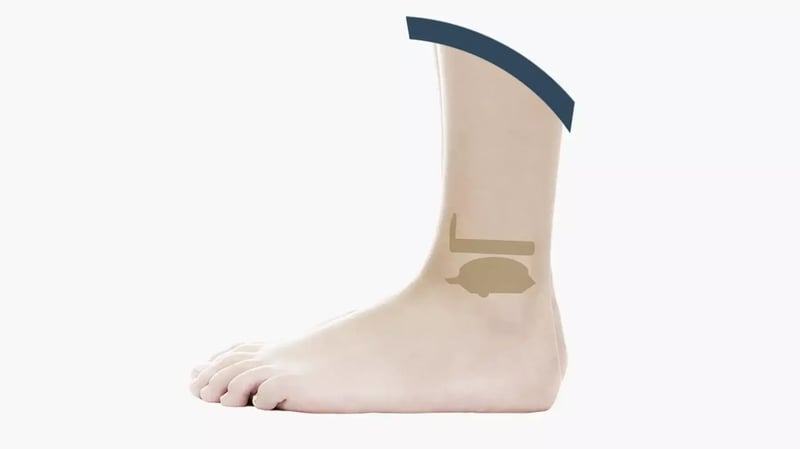
Our team holds the greatest experience in Italy with the Mobile Bearing Hintegra prosthesis — one of the first anterior-approach ankle prostheses to achieve widespread success, alongside the STAR implant, and now evolved into the H2 and H3 models. Our case series on this system includes over 200 operated patients with a follow-up exceeding 10 years, and the data show that 86% of patients have required no revision surgery for over a decade.
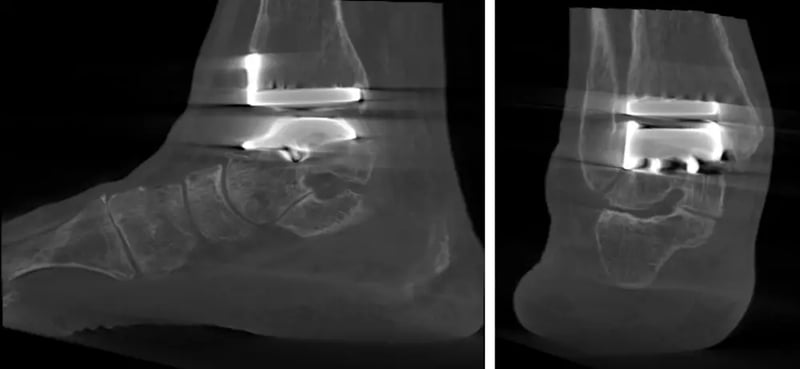
We have since chosen to replace this solution with another Mobile Bearing prosthesis: the Exactech Vantage. This decision was driven by the design improvements it offers over its predecessor. While the Hintegra minimizes tibial bone resection, it has the disadvantage of "wrapping around" the talus on three sides, which can increase medial pain and the risk of talar necrosis.
The Exactech Vantage addresses this issue by resurfacing the talus exclusively at the talar dome, leaving the surrounding anatomy undisturbed.
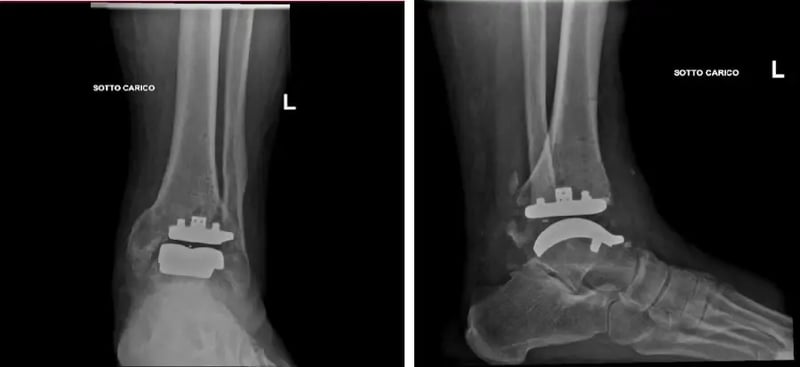
We perform anterior-approach Mobile Bearing implants primarily in cases where a lateral approach is not technically feasible. In my personal case series, the average operative time for an anterior approach is under 60 minutes. This approach is supported by a navigation system that leverages weight-bearing CT (WBCT) for individualized preoperative planning, allowing the surgeon to achieve a high degree of precision and adherence to the surgical plan.
The choice between Mobile Bearing and Fixed Bearing depends on anatomical variables and is determined prior to surgery.
The Resurfacing Prosthesis with Lateral Approach
The concept of a "resurfacing" prosthesis applied to the ankle has as its primary goal the maximum preservation of residual bone stock, minimizing resection compared to traditional prosthetic systems. This philosophy is particularly critical at the ankle joint, where bone density and residual stock are determining factors for long-term success.
Our team has developed and standardized the lateral (transfibular) surgical approach for resurfacing ankle replacement, establishing itself as the first center in the world to adopt and systematically publish this technique.
The lateral approach offers crucial biomechanical and surgical advantages over the more common anterior access:
- Optimized deformity correction. The osteotomy of the lateral malleolus (fibula), required for this approach, provides superior visualization and control for the simultaneous correction of associated hindfoot deformities, particularly varus malalignment.
- Additional stability. The subsequent controlled fusion (arthrodesis) or repositioning and fixation of the fibula optimizes alignment and can provide an added element of postoperative stability.
- Preservation of vital structures. The lateral incision and dissection minimize manipulation of the anterior neurovascular bundles, reducing the risk of nerve injury and potential wound healing complications at the front of the ankle.
This technique allows the surgeon to address both the arthritis and any associated deformities in a single surgical procedure, achieving excellent clinical outcomes and a significant restoration of joint kinematics.
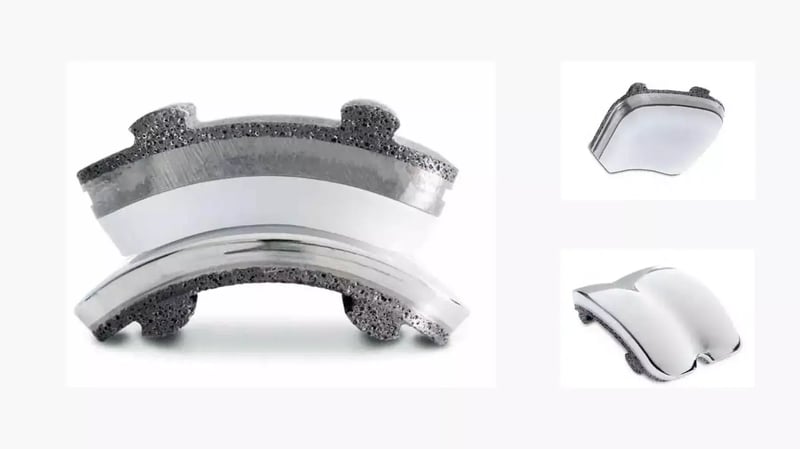
The implant used is a Fixed Bearing resurfacing prosthesis, and our approach is based on a system that represents a significant leap forward in surgical technique, engineering, and materials — setting a new standard in prosthetic surgery.
The Innovation of the Lateral Approach
The primary innovation lies in the lateral (or transfibular) surgical approach, which overcomes the limitations of the standard anterior access for several reasons.
- Prostheses implanted via the anterior approach offer limited visualization of the joint's center of rotation (COR), which is located at its very center. Even with sophisticated preoperative planning, this creates a risk of anterior talar shifting and reduced postoperative joint congruence.
- The lateral approach involves an osteotomy — a controlled cut of the fibula. This maneuver allows direct visualization of the entire joint and, in particular, of the center of rotation. This prosthesis is the only one that goes beyond simply defining the resurfacing cuts on the tibia and talus: it allows the surgeon to actively determine and reposition the COR.
In a pathological ankle, it is not always advisable to preserve the pre-existing center of rotation. The lateral approach makes it possible to shift the COR superiorly to compensate for complex deformities — such as the subsidence caused by a collapsing flatfoot — ensuring greater functional restoration and a superior biomechanical outcome.
Biocompatible Materials and Low Wear
The innovation extends to the materials used in this prosthesis, designed to maximize osseointegration and long-term durability.
The metal component uses an exclusive patented alloy called Trabecular Metal, which employs tantalum in place of titanium. This alloy offers biomechanical properties remarkably similar to those of bone itself — which is why bone does not merely attach to the surface, but actually grows directly into the metal structure. Osteoblasts, the bone-forming cells, behave as though they are surrounded by native bone. This process dramatically reduces shear forces at the bone-implant interface, minimizing the formation of periprotesic cysts and implant wear.
The polyethylene insert used is highly cross-linked, a material that has demonstrated significantly slower wear rates compared to standard polyethylene, ensuring greater implant longevity.
Curvilinear Prosthetic Design
The lateral approach not only facilitates repositioning of the COR, but also enables a more anatomical prosthetic design.
When viewed from the side, the tibia and talus have a natural curvature. Anterior-approach prostheses are limited to straight or chamfered cuts on the talus, which reduces bone preservation. The lateral approach, by contrast, allows for curved bone-preparation cuts that follow the prosthesis housing, minimizing bone resection and closely mimicking the original anatomical shape of the ankle.
Implant precision is ensured by a guide system optimized through weight-bearing CT (WBCT) and an advanced AI-based CAD/CAM designer, which allows the prosthesis positioning to be fully customized according to each patient's specific deformities.
Case Series and Clinical Outcomes
With over 2,000 implants performed, our center is recognized as the world reference for this technique. We hold the highest number of scientific publications and procedures performed globally, with documented outcomes at 2, 5, and 10 years:
- 96.6% of patients at 10 years show no signs of wear, as demonstrated by CT follow-up imaging.
- This represents the best survival rate ever published for an ankle prosthesis.
Furthermore, our team has refined the surgical technique, developing a less invasive approach that allows immediate weight-bearing on the operated limb.
Custom Mini-Prostheses: When They Are the Ideal Choice
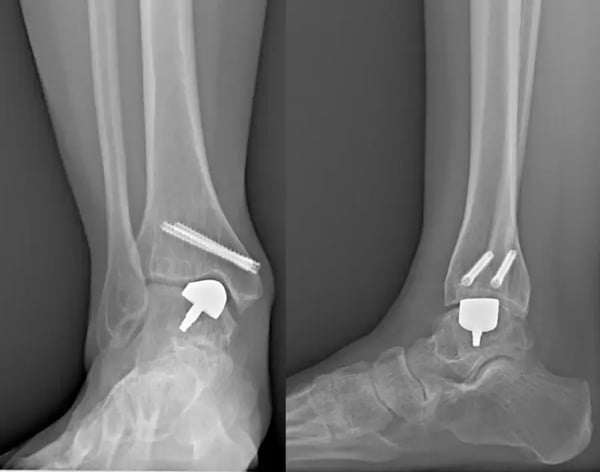
Custom mini-prostheses (or partial resurfacing implants) represent an innovative therapeutic solution designed to selectively treat extensive cartilage lesions that can no longer be addressed through regenerative procedures, or that have failed previous treatment attempts.
When these lesions are the only pathology present, custom mini-prostheses offer a less invasive alternative to more radical interventions such as arthrodesis or total ankle replacement.
Personalized Treatment
The success of this procedure relies on a rigorous personalization process that overcomes the limitations of older standard implants (Hemicap), which yielded poor outcomes due to their lack of conformity to the specific anatomy of both the lesion and the host ankle.
The ability to create custom 3D-printed implants tailored to each individual case has been a major breakthrough in addressing this problem.
The mini-prosthesis used is the Episealer, manufactured by the Swedish company Episurf, of which I am a consultant. The diagnostic and surgical process includes:
- Advanced patient assessment using weight-bearing CT (WBCT).
- Measurement with a sophisticated AI system to establish the true shape and exact extent of the cartilage damage, and to evaluate its impact under load-bearing conditions.
- The creation of a detailed damage report and the design of the custom mini-prosthesis, alongside the definition of a patient-specific surgical instrumentation set for its implantation.
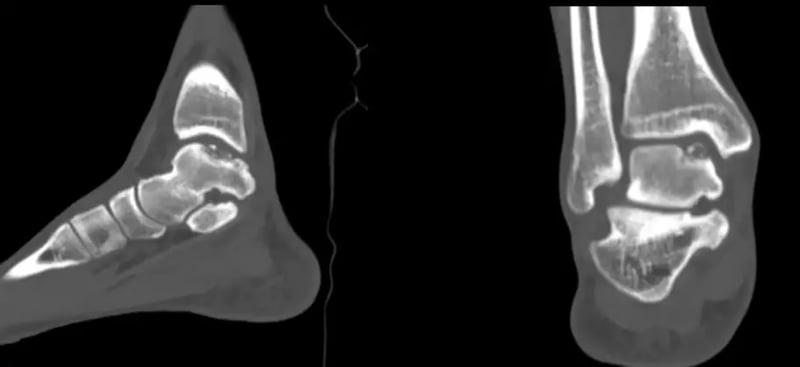
This level of precision ensures that the custom prosthesis conforms perfectly to both the morphology of the lesion and the patient's bone anatomy, minimizing invasiveness and maximizing joint congruence.
Our Experience and Outcomes
Our center is the world leader in this procedure, with the highest number of this type of implant performed on the ankle. While it remains a surgery indicated for a select patient population (over 30 implants performed to date), it significantly expands the options available to those who would otherwise face more demanding procedures or ones with lower functional potential.
To date, the longest follow-ups extend to 5 years: at this point, 100% of patients operated on by our team using this technique have their implant in place with no signs of wear.
Revision Prosthesis and Re-operation: Managing Short- and Long-Term Failures
When revising a failed prosthesis, the goal is to preserve as much residual bone stock as possible while ensuring optimal alignment.
- In selected cases, we perform the revision using the lateral (transfibular) approach with a resurfacing prosthesis. This strategy is particularly effective for revising prostheses originally implanted via the anterior approach, as changing the surgical perspective allows access to bone support points that are unavailable through the anterior route. It also keeps more options open for any future revisions that may be needed.
- When the lateral approach is not feasible, we use dedicated revision systems such as the Inbone Stryker, which are designed to bridge the bone gap left by the removed implant.
- In cases of poor residual bone quality, the Cement Bar Technique is employed. In this approach, the implant is stabilized with titanium screws placed in the calcaneus, providing additional stability through a combination of plate, cement, and screws anchored within the cement.
- In the most extreme cases, where bone stock is nearly exhausted, fully custom implants can be used, featuring an entirely metal talus paired with a tibial prosthetic component.
When an ankle prosthesis fails, management is complex — but our center is one of the few in Italy with structured, dedicated experience in prosthetic revision surgery.
Choosing the Right Prosthesis for Each Patient
The selection of a prosthetic system is never arbitrary. It follows a structured preoperative planning process that integrates clinical assessment, weight-bearing imaging, and — where indicated — AI-driven planning. Every decision takes into account the patient's anatomy, residual deformity, bone quality, and functional expectations. There are no universal solutions, only personalized ones.
The Value of the Team: A Unique Multidisciplinary Approach
The quality of an ankle replacement procedure does not depend on the surgeon alone, but on the entire team — comprising anesthesiologists, scrub technicians, nurses, physiotherapists, and imaging specialists. This is precisely why high-volume centers achieve better outcomes: expertise is collective, not individual.
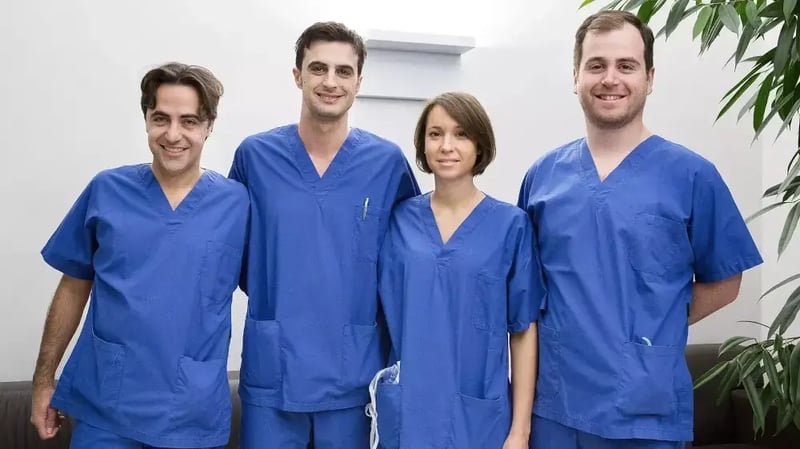
In 2019, I established the Foot and Ankle Orthopedics Unit at Humanitas S. Pio X. This dedicated team is more than just a group of surgeons — it represents a truly unique experience within the Italian landscape, offering the opportunity to work consistently alongside the same anesthesiologists and nurses. This model has allowed us to develop and refine every aspect of patient care.
Weight-Bearing CT and AI-Driven Personalized Planning
Advanced preoperative planning is built around the Weight-Bearing CT scan (WBCT), a technology that enables a completely new approach to surgical planning.
While a standard X-ray — even when taken under load — compresses the image onto two planes, and a conventional CT scan provides a three-dimensional view but with the patient lying down, WBCT combines both concepts, delivering a three-dimensional view of the joint under physiological load.
The major step forward comes from pairing this hardware with AI-based software. We use:
- As hardware, Cone Beam technology (Planmed, a Finnish system) with low radiation dose.
- As software, Disior (by Paragon 28–Zimmer Biomet, of which I am a consultant) — a tool that leverages AI to perform semi-automatic measurements, essential given the volume of data to be processed, and to generate fully patient-specific virtual surgical plans.
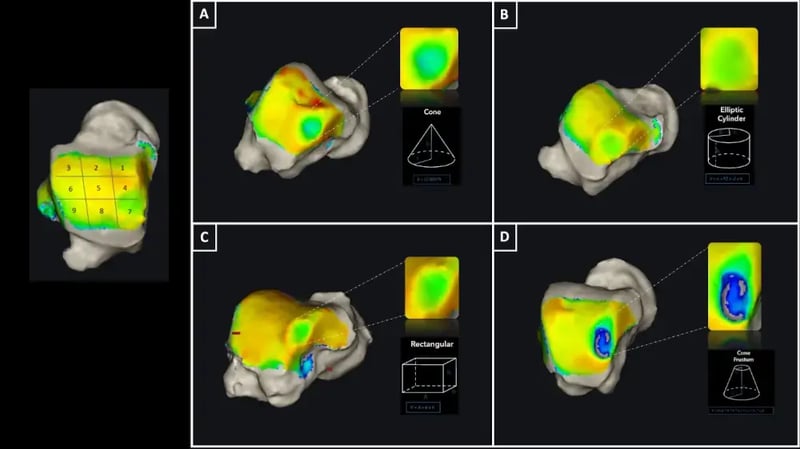
Regarding the use of this software, we have developed a proprietary planning methodology known as the Usuelli System.
It consists of a complex system of angular measurements that allows for highly reproducible planning of deformity correction and prosthetic positioning. This methodology has been published in Foot and Ankle International and is now an international reference for the application of AI in the treatment of ankle arthritis.
We firmly believe that AI will not replace medical expertise, but will serve as an essential tool for achieving progressively better outcomes for our patients. Our philosophy views AI as an opportunity, built on a pyramid of success that encompasses:
- Continuously improving clinical and imaging data for more accurate pathology analysis.
- Prompt engineering — asking the right questions of AI to generate better surgical planning.
- The development of models that move beyond the binary (yes or no) framework of Evidence-Based Medicine and build more complex frameworks to drive the evolution of patient care.
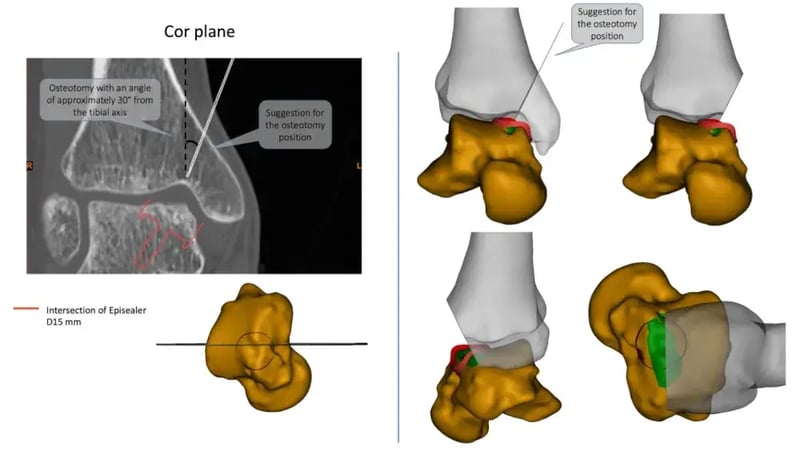
Our team is fully immersed in this ongoing evolution, leveraging our large case volumes and technological analysis to continue advancing in this field.
Tailored Anesthesia for Ankle Replacement: Preoperative Radiofrequency Blocks and Pain Management
As previously mentioned, perioperative pain management and blood safety represent a fundamental pillar of our care pathway — and it is here that the strength of our team has allowed us to achieve truly groundbreaking results.
The anesthesiology team, under the leadership of Dr. Cama, has dedicated the past several years to developing a rigorous protocol that has led to a historic milestone: zero blood transfusions in 2025.
This achievement was reached through a meticulous patient preparation process:
- Preoperative monitoring: Assessment of hemoglobin levels and targeted patient optimization prior to surgery.
- Blood loss minimization: Administration of tranexamic acid during anesthesia to reduce intraoperative blood loss.
Zero transfusions means a safer procedure and the conditions for a faster recovery.
This dramatic reduction in hemorrhagic risk is significant, as it underscores the safety profile of the intervention and explains why every one of our patients can be stood up and guided through their first steps on the same day as — or the day after — surgery.
Pain Management and Nerve Block
Our pain control strategy is multi-layered, aimed at ensuring complete pain relief during the first 24 postoperative hours — the most critical period — while minimizing reliance on analgesic medications. It includes:
- Spinal anesthesia during the procedure.
- Popliteal nerve block for postoperative management. All of our patients receive spinal anesthesia before surgery and a popliteal block afterward.
- Attention to the patient's anxiety levels, including the option of sedation where needed.
We were also the first — and remain the only center in Italy — to develop a preventive pain management and preparation pathway for patients prior to surgery.
Under this pathway, patients who choose to follow it undergo a pre-admission visit approximately 20 days before surgery, during which they are brought to the operating room to receive cryoanesthesia or radiofrequency treatments.
These procedures, which use cold probes or radiofrequency energy, act selectively on pain pathways without compromising motor control.
- They are performed at the level of the operative side, or at a supra-segmental level (above the knee or at the lumbar spine).
- The goal is to reduce the pain experience during the first 5 to 6 postoperative months, supporting the patient throughout recovery. The procedures are performed 20 days before surgery because their optimal clinical effect manifests approximately 30 days after the treatment.
They can also be used for patients who have already undergone surgery and experience residual pain, or for patients who are not candidates for surgical intervention.
Physiotherapy in the Rehabilitation Pathway
Rehabilitation following ankle replacement differs markedly from postoperative pathways for hip and knee surgery.
- In hip surgery, recovery is more straightforward and tends to progress naturally, although the physiotherapist still plays an important role.
- In knee surgery, the primary goals are restoring range of motion and rebuilding muscle tone.
- With ankle replacement, we do not recommend working toward a forced recovery of range of motion (ROM), as this can increase medial pain and raise the risk of plantar fasciitis. The priority, instead, is the immediate re-education of gait. Patients must not lose their normal walking pattern — they need to reacquire it as quickly as possible.
This approach is integrated into our Fast Track Rapid Recovery Protocol, which enables gait re-education as early as the day after surgery.